Author: admin

  • Psychology Reveals When Grey Hair Looks Beautiful and When Coloring Actually Helps

    Psychology Reveals When Grey Hair Looks Beautiful and When Coloring Actually Helps

    Grey hair has shifted from being something people rush to hide to a feature many now celebrate, especially in India where attitudes toward aging and self-expression are evolving. Psychology offers valuable insight into why grey hair can appear striking and confident on some people, while others feel more comfortable choosing hair color. Factors such as facial features, lifestyle, social perception, and personal identity all play a role. Understanding when grey hair enhances appearance—and when coloring provides a boost—helps individuals make choices that align with both inner confidence and outward presentation.

    Psychology explains when grey hair looks attractive

    From a psychological perspective, grey hair often looks beautiful when it aligns with a person’s overall self-image and behavior. Individuals who display authentic self-confidence tend to carry grey hair with ease, making it appear intentional rather than accidental. Research suggests that people associate natural greying with emotional maturity and life experience signals, especially when grooming is neat. Grey hair can also enhance perceived personal credibility in professional or social settings. When posture, clothing, and attitude match this stage of life, grey hair reinforces a sense of balance rather than contrast.

    Why coloring grey hair can improve appearance

    Hair coloring often helps when there is a mismatch between how a person feels internally and how they believe they are perceived externally. Psychology highlights the importance of self-image alignment, meaning people feel better when their appearance reflects their energy and lifestyle. For some, grey hair can unintentionally signal unwanted age cues, especially in competitive workplaces or social environments. Coloring can restore visual harmony with facial features and wardrobe choices, leading to improved confidence. When the choice is self-driven, coloring becomes a tool for empowerment rather than concealment.

    Social perception of grey hair and coloring

    How others react to grey hair is shaped by cultural expectations and social psychology. In many Indian contexts, grey hair is linked with traditional age norms, which can influence respect as well as assumptions about vitality. Psychology shows that people subconsciously judge energy levels based on appearance, creating first impression bias. Choosing to keep grey hair can communicate calm authority, while coloring may project youthful social energy. Neither choice is inherently better; the impact depends on personal goals and social context.

    Understanding the right choice for you

    Psychology ultimately emphasizes personal comfort over external rules. Grey hair looks best when it supports internal confidence match and reflects an individual’s identity. Coloring helps when it reduces anxiety or social friction, reinforcing positive self-perception. The healthiest approach involves recognizing emotional wellbeing priority and avoiding pressure from trends or stereotypes. Whether embracing grey or choosing color, the most noticeable change comes from how assured and comfortable a person feels with their decision.

    Factor Grey Hair Impact Colored Hair Impact
    Self-confidence Enhances authenticity Boosts self-expression
    Social perception Signals maturity Signals youthfulness
    Professional image Suggests experience Suggests adaptability
    Emotional comfort Acceptance-driven Control-driven

    Frequently Asked Questions (FAQs)

    1. Does grey hair always make people look older?

    No, it depends on grooming, confidence, and overall presentation.

    2. Is coloring hair psychologically unhealthy?

    No, coloring is healthy when it supports personal confidence.

    3. Can grey hair improve professional image?

    Yes, it can signal experience and authority in many settings.

    4. Should social opinion influence hair color choice?

    Only if it aligns with personal comfort and self-image.

  • Why Your Home Feels Cold Even When the Thermostat Claims Everything Is Comfortable

    Why Your Home Feels Cold Even When the Thermostat Claims Everything Is Comfortable

    Your breath, pourtant, feels almost visible in the hallway. You rub your hands together, tug your sleeves lower, and tap the small wall screen as if it might reveal a different number if pressed hard enough. The heating bill keeps rising, yet your sense of comfort doesn’t. Slowly, it begins to feel less like winter and more like a private joke played by the house itself.

    In the living room, the thermostat glows with quiet confidence. On the sofa, you’re wrapped in a blanket, feet tucked in, wondering how 21°C can feel so cold. Somewhere between the number on the wall and the chill in your socks, something clearly misaligns.

    The first thing to understand is that the thermostat only tells part of the truth. That calm number reflects the air temperature at one specific spot on one wall, not the warmth your body actually feels where you sit. Your skin interprets the room through cold surfaces, subtle draughts, and humidity shifts. A space can register 21°C overall while your body insists it feels closer to 18°C. That gap is where discomfort begins.

    It’s easy to blame the boiler or heating system, but the real issue often lies with the building itself. Air leaks, poor insulation, uneven heat distribution, and even furniture placement can quietly undermine that reassuring number on the display.

    Imagine a semi-detached home in a windy suburb, built in the late 90s. Each evening, the thermostat is set to 20°C. The living room, open to the hallway and stairs, never feels quite right. Children complain the floor is freezing. Parents nudge the temperature up, then up again, and sigh at the bill.

    When a technician checks the room, nothing appears broken. The thermostat wall reads 21°C. The centre of the room at sitting height measures 19.3°C. Near the floor, it drops to 17.5°C. The large window surface sits at 13°C. Warm air rises upstairs, while cold surfaces radiate chill where the family actually lives. The numbers look fine. The experience does not.

    Research on thermal comfort supports this. People often feel cold when walls and windows fall below 17–18°C, even if air temperature seems normal. Our bodies respond to surfaces more than screens. Add the psychological layer—seeing a “good” number and expecting cosiness—and the frustration intensifies. It’s not just physical discomfort; it feels like the home is failing you.

    What Quietly Drains Warmth From Your Home

    One of the most effective steps has nothing to do with adjusting the thermostat. Start by finding the invisible air currents moving through your home. A candle or incense stick traced along skirting boards, window frames, and door gaps reveals where warm air escapes and cold air slips in.

    These small leaks steal comfort fast. Sealing them with draught excluders, foam strips, or brush seals can transform how a hallway feels. Even a narrow gap under a front door can turn a space into something resembling a January bus shelter.

    Next, focus on where you actually sit. If your sofa rests against an uninsulated external wall, your body continually loses heat to that cold surface. A thick throw or a slim insulated panel behind it can change the feel of the space without touching the thermostat.

    Small habits matter. Closing doors to unused rooms prevents warm air from drifting upstairs or into empty bedrooms. Heavy curtains at night help retain warmth, as long as radiators remain uncovered. Think less about heating the whole house and more about creating a comfortable living bubble.

    Some common mistakes make things worse. Turning the thermostat far higher to “heat faster” doesn’t work. It’s a target, not a volume dial. In poorly insulated homes, this only strains the system, overheats some areas, and leaves cold corners untouched.

    Floors are another overlooked factor. Hard surfaces, especially above unheated spaces, act like cooling plates. Even at 20°C, cold feet can make the whole room feel uncomfortable. A well-placed rug can feel like a heating upgrade at minimal cost.

    There’s also a quiet sense of guilt around using extra layers when the heating is on. But comfort doesn’t follow rules. Your body simply wants a steady envelope of warmth, supported by textiles, clothing, and surroundings working together.

    Your thermostat is like a speedometer: accurate in one narrow sense, while hiding the conditions that determine whether the journey actually feels good.

    • Reposition the thermostat away from sunlight, radiators, and draughts.
    • Bleed and balance radiators so heat spreads evenly.
    • Layer rugs and throws where you sit and walk most.
    • Use thermal curtains at night and open them during the day.
    • Block unused chimneys and vents with proper draught stoppers.

    Rethinking What Warmth Really Means at Home

    Once you realise that 21°C is only a guideline, not a promise, you start reading your home differently. You notice patterns instead of blaming yourself. The chill at your back when you sit at the table. The corner where guests always reach for a jumper. The bedroom that feels fine at night but impossible in the morning.

    Thermal comfort lives where physics meets daily life. Air temperature, surface temperature, air movement, humidity, clothing, and activity combine into one simple question: do I feel okay right now? Raising the thermostat is just one option, and often not the most effective. Sealing a draught or warming a floor can deliver more comfort than adding extra degrees of hot air that rise straight to the ceiling.

    There’s also a deeper shift in how we relate to our homes. A place that looks warm on paper but feels cold in the body slowly erodes trust. We retreat to one room, avoid certain spots, and live under blankets by default. When you understand the real sources of discomfort, control quietly returns. You can adjust, experiment, and share insights with others fighting the same silent battle.

    The next time that glowing number catches your eye, it may feel less like a verdict and more like one clue among many. The real story lives in cold toes, a warm mug, a favoured chair, or a candle flame bending near the floor. That story is worth noticing—and perhaps worth sharing the next time someone says, “The heating’s on, but I’m still freezing.”

    Key Takeaways for Everyday Comfort

    • Thermostat versus reality: it measures air at one point, not lived-in warmth.
    • Surfaces and draughts matter: cold walls and leaks steal body heat.
    • Practical actions help: sealing gaps, using textiles, and balancing heating improve comfort without higher bills.
  • Your House Isn’t Cold The Walls Are Stealing Heat Without You Noticing

    Your House Isn’t Cold The Walls Are Stealing Heat Without You Noticing

    Your breath almost looks visible in the hallway. You rub your hands and pull your sleeves down while tapping the little screen on the wall like it might show a different number if you keep trying. The heating bill keeps going up but your comfort level stays the same. It starts to feel less like normal winter & more like the house is playing a trick on you. In the living room the thermostat displays a number that looks calm and confident. You sit on the sofa wrapped in a blanket with your feet tucked under you & wonder how 21°C can feel so much like standing in a refrigerator. Something goes wrong somewhere between the display on the wall and your cold toes inside your socks. The truth turns out to be unsettling and a bit annoying but also oddly reassuring.

    Why 21°C Often Feels Colder Than It Sounds

    The first thing to understand is that your thermostat only shows part of the picture. That single number on the wall represents the air temperature at one specific point, not the actual warmth you experience where you sit, stand, or move around. Much like hearing one instrument and assuming you know the whole song, the reading misses the full reality of comfort inside your home.

    Your body interprets a room in a far more complex way. It reacts to cold wall surfaces, subtle air movement near the floor, and shifts in humidity levels. A space can technically register 21°C, yet feel closer to 18°C if walls and windows remain cold. This gap between measured temperature and felt comfort is where discomfort quietly begins.

    Why the Building, Not the Boiler, Is Usually to Blame

    Heating systems are often blamed first, but the real issue is usually the structure itself. Heat loss through walls, uneven air circulation, hidden draughts, and even furniture placement can undermine an otherwise reasonable temperature setting. These factors distort how warmth is distributed and experienced throughout the room.

    In many homes, warm air rises and gathers upstairs while cooler air settles where people actually live. Cold windows and external walls constantly radiate chill, pulling warmth away from your body. The thermostat may say everything is fine, but the lived experience tells a very different story.

    When the Numbers Look Right but the Room Feels Wrong

    Research into thermal comfort consistently shows that people feel cold when wall or window surfaces drop below about 17–18°C, regardless of air temperature. Our bodies respond more strongly to surrounding surfaces than to numbers on a display. That’s why a room heated to 20°C can still feel uncomfortable next to a large, cold window.

    There’s also a psychological layer. Seeing a “correct” temperature creates an expectation of comfort. When that expectation isn’t met, the sense of discomfort intensifies. It stops being just physical and starts to feel like the home itself is failing you.

    Hidden Heat Thieves You Don’t See but Always Feel

    One of the most effective steps doesn’t involve adjusting the thermostat at all. Instead, look for unwanted air movement. A candle or incense stick can reveal draughts along skirting boards, window frames, and door gaps. Even small air leaks allow warm air to escape while cold air quietly takes its place.

    Sealing these gaps can dramatically improve comfort. Draught excluders, window seals, and letterbox brushes often make a hallway or living space feel warmer instantly. One overlooked gap can make an entire area feel exposed and uncomfortable.

    Simple Comfort Fixes That Change How Your Home Feels

    • Seal air leaks around doors, windows, and skirting boards.
    • Reposition furniture away from uninsulated external walls.
    • Use thick curtains at night while keeping radiators clear.
    • Lay rugs over cold floors to reduce heat loss through your feet.
    • Close unused rooms in the evening to keep warmth where you live.

    Common Heating Habits That Work Against You

    A frequent mistake is turning the thermostat much higher in the hope of warming the home faster. The thermostat is a target, not a speed control. Setting it excessively high strains the system, overheats certain areas, and still leaves cold spots untouched.

    Floors are another overlooked factor. Hard surfaces above unheated spaces act like cooling plates, constantly drawing heat from your body. Even when the air feels warm, cold feet can make the entire room feel uncomfortable. A well-placed rug can make a bigger difference than raising the temperature.

    Redefining What “Warm” Really Means at Home

    Once you realise that 21°C is only a rough indicator, not a promise of comfort, your perspective shifts. You begin noticing patterns instead of blaming yourself. The chair that always feels cold, the corner guests avoid, or the bedroom that feels fine at night but harsh in the morning all start to make sense.

    True comfort sits at the intersection of air temperature, surface warmth, air movement, and daily habits. Raising the thermostat is just one option, and often not the most effective one. Blocking a draught or insulating a surface can restore comfort without pushing heat toward the ceiling.

    Over time, understanding these signals helps rebuild trust in your living space. The thermostat becomes just one clue among many. The real story is told by cold floors, warm drinks, preferred seating, and the subtle draught that bends a candle flame near your ankles. Those details matter, and they explain why so many people say, “The heating’s on, but I’m still freezing.”

    Point clé Détail Intérêt pour le lecteur
    Thermostat vs réalité Le thermostat mesure l’air à un point précis, pas la chaleur ressentie dans tout le volume Comprendre pourquoi la maison semble froide malgré une “bonne” température affichée
    Rôle des surfaces et des courants d’air Murs froids, vitres et fuites d’air volent votre chaleur corporelle Trouver les vrais coupables de l’inconfort et non accuser uniquement la chaudière
    Actions concrètes Boucher les fuites, déplacer le thermostat, isoler par le textile, équilibrer le chauffage Améliorer le confort sans exploser la facture ou tout refaire
  • Balayage Is Quietly Disappearing as a New Grey-Blending Method Takes Control

    Balayage Is Quietly Disappearing as a New Grey-Blending Method Takes Control

    A new coloring trick is changing how stylists work with aging hair. For years people fought gray hair with harsh dyes and obvious streaks that required constant salon visits. Now colorists use softer and smarter techniques that blend aging hair instead of fighting it. The old approach treated gray hair like a problem that needed to be covered completely. Stylists would apply dark dye from root to tip every few weeks. This created a harsh line when new growth appeared. It also damaged hair over time and looked unnatural under certain lighting.

    The subtle shift away from obvious grey

    Across many Western societies, spotting the first silver strand often feels less like a milestone and more like a warning sign. Cultural pressure encourages people in their 30s, 40s, and 50s to conceal grey hair quickly, often relying on intense colouring routines that strain both hair health and budgets.

    Classic full-coverage dyes offer a single, even shade, but they carry a familiar drawback. As hair grows, the contrast between the dyed colour and natural grey roots becomes stark. This visible regrowth line pushes people back into the salon every four to six weeks.

    Highlights and balayage were introduced to soften this effect. By distributing lighter tones throughout the hair, stylists could blend grey into a layered look. However, as the percentage of white hair increases, even balayage reveals its limits. Ageing hair also changes in texture, becoming drier and more porous, often resisting colour. Strong dyes may work, but they can leave hair fragile and overly processed, something many clients now want to avoid.

    Understanding colour melting and its growing appeal

    A newer salon technique, widely known as colour melting, is now seen as the natural evolution beyond balayage. Rather than promising a youthful illusion, it focuses on subtlety, offering soft blends, seamless transitions, and barely noticeable regrowth.

    From harsh contrasts to seamless flow

    Colour melting relies on several closely related shades instead of a single dominant colour. These tones are arranged so the eye cannot detect where one ends and another begins. Roots, mid-lengths, and ends merge smoothly, creating natural-looking movement rather than defined bands.

    Stylists typically work with two to four shades close to the client’s natural colour: one slightly deeper, one that matches the base, and one or two lighter tones. Applied in fine sections, the result resembles gentle sun fading rather than a freshly coloured finish.

    How it compares to balayage

    Balayage remains popular for bold lightening and beach-inspired styles. However, when grey appears more evenly around the crown and hairline, colour melting softens the line of demarcation more effectively, extending the time between appointments.

    Blending grey without masking identity

    Rather than hiding grey completely, colour melting reframes it. The natural base remains visible, while a veil of closely matched tones draws the eye away from individual silver strands. This creates a look that feels balanced and intentional.

    What the process usually involves

    While each salon has its own approach, the technique generally follows a similar structure:

    • Consultation: assessing grey coverage, placement, and natural undertones.
    • Tone selection: choosing a small family of shades near the natural base.
    • Application: placing colour in ultra-fine, often diagonal sections.
    • Blending: softening transitions so tones melt into one another.
    • Gloss finish: adding shine and refining warmth or coolness.

    The key difference lies in intent. Instead of chasing one flawless shade, the stylist focuses on depth and nuance, allowing grey hairs to appear as light-reflecting elements within the blend.

    Why upkeep feels more manageable

    Because colour melting respects the natural root, regrowth appears far less abrupt. New grey hairs emerge into an already varied palette, reducing visual contrast. As a result, salon visits often extend to eight to twelve weeks, rather than every month.

    For many, this changes how ageing hair feels emotionally, replacing urgency with ease. The technique also works well with gentler dye formulas, such as demi-permanent colours that fade softly instead of leaving hard edges, an important factor for hair already affected by age or heat styling.

    Who tends to benefit most from colour melting

    Colour melting suits a wide range of shades, from dark brunettes to light blondes. The defining factor is mindset. It appeals to those who want a polished appearance without dramatic transformation.

    Ideal candidates for the technique

    • People with roughly 20–70% grey who like their natural base colour.
    • Anyone frustrated by solid dye and sharp root lines.
    • Professionals seeking a refined look with fewer appointments.
    • Those with curly or textured hair where highlights can appear uneven.
    • Clients transitioning away from heavy balayage toward a softer style.

    On dark hair, blends may move between chocolate, mocha, and subtle caramel. Blondes often shift from deeper beige near the root to creamier ends. Red shades can also be softened through mixes of copper, strawberry, and gold that distract from white regrowth.

    Limits, considerations, and smart questions

    Colour melting is not a flawless solution. It still requires dye, time, and technical skill. When poorly executed, it can result in muddy tones or uneven bands. The outcome depends heavily on the colourist’s experience with precise blending.

    Before committing, clients should ask:

    • Which type of dye will be used?
    • How many shades will be blended, and how close are they to my natural colour?
    • How often will follow-up visits be needed?
    • What home care will maintain shine and softness?

    Initial sessions may take longer and cost more than simple root touch-ups, but the extended time between visits often balances expenses over time.

    Supporting grey blending beyond the salon

    Hair behaviour with age is influenced by daily habits. UV exposure can speed up dryness and yellowing, while frequent heat styling weakens already delicate strands. Stress and certain medications may also affect pigment loss.

    Many people who choose colour melting adjust their routines accordingly, using richer masks, UV-protective sprays, mild shampoos, and reducing daily heat. These changes help the colour stay luminous and allow grey strands to appear softer when they surface.

    Why the “natural, refined” look continues to resonate

    The popularity of colour melting reflects a broader cultural shift. Fully embracing grey works for some, while returning completely to natural can feel abrupt for others. This technique sits comfortably in between, offering a measured compromise.

    Rather than trying to erase age, it works with it, blending and softening grey instead of denying it. For many, this balance between authenticity and enhancement feels more realistic than pursuing a perfectly uniform shade.

  • Talking to Yourself Isn’t Odd Psychologists Say It Signals Cognitive Strength

    Talking to Yourself Isn’t Odd Psychologists Say It Signals Cognitive Strength

    The quiet conversations happening in your head — and what they really mean

    On a late-night train, a woman in a dark coat fixes her gaze on the glass and murmurs, steady yourself, rehearsing tomorrow’s words without apology. Across from her, a man mouths sentences beneath his breath, headphones on but no music playing. At the next stop, a student drops into a seat and whispers, focus on question three. No one is openly speaking to each other, yet the carriage vibrates with private inner scripts unfolding at once.

    Most faces carry a hint of embarrassment, as if they’ve been caught doing something improper. On difficult days, we label it talking to yourself with a knowing smirk. On better days, we look away. Still, the words linger — fragments of planning, reassurance, and encouragement floating quietly between stops.

    But what if this habit we call strange is actually a sign of a highly active mind? Psychology increasingly suggests exactly that. And once you notice it, it becomes impossible to ignore.

    What your so-called strange self-talk reveals about how your brain works

    Picture someone alone in a supermarket aisle, reading labels aloud: low sugar, too expensive, this one works. From the outside, it looks awkward. From the inside, it’s a decision engine operating in real time.

    Psychologists refer to this as private speech or self-directed language. Children rely on it constantly as they learn, narrating each step. Adults never truly lose it — they simply internalise it. The voice softens and retreats inward, until pressure, exhaustion, or high stakes turn the volume back up.

    On a crowded street, it’s the quiet voice saying, left then right, breathe, stay focused. This isn’t dysfunction. It’s the brain handling cognitive overload in the most efficient way it knows.

    Research across universities in the US and Europe repeatedly shows a similar pattern: people who clearly verbalise tasks tend to perform better in memory tests, planning tasks, and problem-solving exercises. When participants are asked to say their thoughts aloud, they often make fewer errors and remain more attentive.

    In one experiment, participants searched for a specific object among many on a screen. Those who quietly repeated the object’s name found it faster and with greater accuracy than those who stayed silent. Language works like a mental spotlight, helping the brain separate signal from noise.

    In everyday life, this looks like entering a room saying, keys first, and actually finding them. Or pacing the kitchen muttering, listen first, then respond. That isn’t instability. It’s strategy.

    Within cognitive psychology, self-talk is understood as a tool for self-regulation — how we guide thoughts, emotions, and behaviour. Speaking aloud turns thoughts into something tangible, allowing you to inspect, adjust, and refine them.

    There’s also an identity shift at play. The moment you say, you can do this, you divide yourself into two roles: the part that’s struggling and the part that’s coaching. That small distance brings emotional control and reduces chaos, like forming a tiny inner team instead of leaving one anxious voice in charge.

    This is why intentional self-talk often appears in people who lead, create, or solve complex problems. The words are only the surface. Beneath them is a mind that refuses to stay passive.

    How to use self-talk so it supports you instead of wearing you down

    Not all self-talk helps. Some strengthens you; some quietly drains your energy. The difference is rarely how loud it is — it’s how it’s structured.

    A widely used technique in therapy and coaching is shifting to the second or third person. Instead of saying, I’ll mess this up, you try, you’ve handled worse, or even your own name followed by a clear instruction. It feels awkward at first. Then it starts to work.

    Addressing yourself as you creates just enough distance to cool emotional intensity. The brain processes it more like guidance than criticism, often shifting you from panic to planning.

    In high-pressure moments, three simple prompts can anchor your thinking:

    • What’s happening right now?
    • What do I need?
    • What’s the next small step?

    Before a difficult meeting, this might sound like: you’re nervous because it matters, you need clarity, write three key points. Plain, practical, and unexpectedly calming.

    Of course, we don’t always manage this. On rough days, the inner voice turns hostile, looping familiar lines: you’re behind, you’re failing, everyone sees it.

    Soyons honnêtes : personne ne maintient un self-talk parfait tous les jours. We slip. We snap at ourselves. Old voices from school, family, or past jobs replay scripts that were never helpful.

    When you catch yourself saying I always ruin things or I’m useless, the goal isn’t forced positivity. A more realistic move is shifting from judgment to description. Replace I’m a disaster with I’m overwhelmed and missed a step. Same facts, completely different outcome.

    Anxious self-talk also thrives on extremes: never, always, everyone. Adding numbers — three people disagreed — pulls you back into reality. Reality is almost always kinder than your harshest inner headline.

    You don’t need perfection. You just need your inner voice to stop lying.

    Catch one harsh sentence today and write it down. Ask yourself whether it’s fact or fear. Rewrite it as a friend who respects you but doesn’t flatter would say it. Speak the new version aloud once or twice, even if it feels strange.

    This small exercise, repeated occasionally, slowly reshapes your inner soundtrack. It looks insignificant on paper. In real life, it changes everything.

    When speaking to yourself uncovers strengths you didn’t realise you had

    On a quiet Sunday, someone walks through a park, barely above a whisper: what I really want, more freedom, less pretending. No audience. No performance. Just honesty surfacing.

    Practically speaking, these moments act as mental decluttering. Saying things out loud forces clarity. Feelings gain edges. Once they have edges, they become actionable.

    On a deeper level, self-talk reveals qualities you wouldn’t list on a CV but that quietly shape your days. Persistence, when you hear yourself say, one more try. Creativity, when you brainstorm aloud in the shower, running ideas like a solo workshop.

    Some people notice an inner leader emerging — the steady voice that says, we’re scared, but we’re going anyway. That’s courage in its least polished form.

    There’s also tenderness in how self-talk exposes care. Rehearsing an apology on the bus. Practising a firm but gentle no. These are relational skills training quietly, out of sight.

    Culturally, we often equate sanity with silence. A noisy mind feels like failure. Talking to yourself seems odd. Yet these private monologues keep entire days from unraveling.

    Most of us know that moment: door closed, breath released, and the words, that wasn’t great, but you survived. There’s comfort in hearing your own voice carry you forward.

    Self-talk won’t erase trauma, illness, or external pressure. What it offers is a small handle on your inner weather — a way to steer slightly instead of being tossed by every thought.

    That handle is often where change begins. Not with a grand plan, but with a quiet sentence spoken into an empty room.

    Practical ways to use self-talk more effectively

    • Use self-talk to narrow focus: Say one clear goal out loud before starting, such as only the first paragraph or just the slides. This reduces overwhelm and mental clutter when everything feels urgent.
    • Switch from “I” to “you” under pressure: Coach yourself with phrases like you know this or pause and breathe. This emotional distance supports clearer thinking and better decisions.
    • Turn criticism into description: Replace I’m useless with I’m still learning or I missed a step. This shift moves you from self-attack into problem-solving, supporting resilience over time.
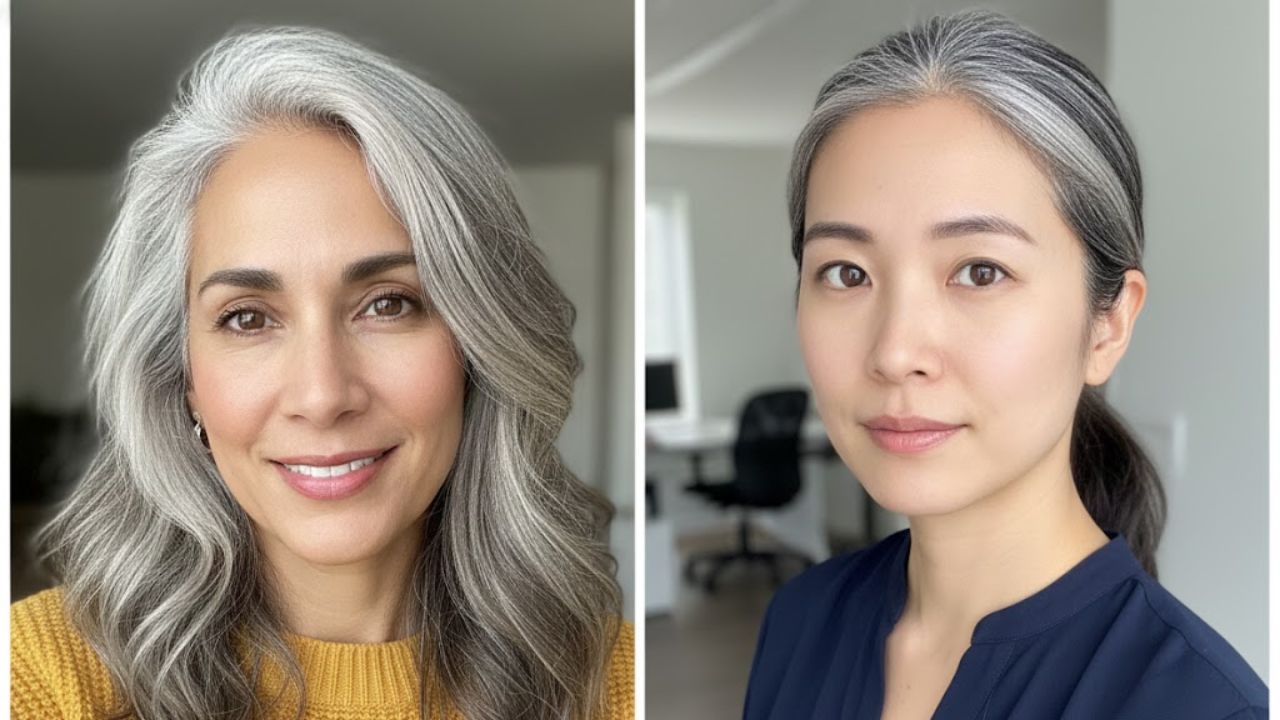
  • Fine Hair Looks Fuller Instantly With These Short Cuts Stylists Prefer

    Fine Hair Looks Fuller Instantly With These Short Cuts Stylists Prefer

    She twists the tips of her bob around her fingers, staring as the bright salon lights seem to flatten her reflection by the second. Her hair is freshly washed, glossy, and yet it rests lifelessly against her cheeks, refusing to move.

    The stylist lifts a section and lets it drop. The shape falls apart like a collapsed soufflé. They laugh together, but her eyes sting just a little. She scrolls to a photo on her phone: a short style that looks light, airy, and undeniably fuller than her own.

    “I just want it to look thicker,” she says, repeating a line she’s used at nearly every appointment for years. The stylist nods, reaches for the scissors, and suggests a change. A few careful snips later, the hair suddenly looks alive. Nothing was added. The difference came from choosing the right short haircut for fine hair.

    Why Certain Short Haircuts Flatten Fine Hair

    Fine hair behaves like silk thread: soft, smooth, and unwilling to hold structure. When a cut is wrong, everything sinks toward the scalp, especially around the crown and jaw, creating that unwanted helmet effect.

    Short styles can exaggerate thinness when the length hits the wrong point. A blunt, jaw-length bob without layers often clings to the face. What truly matters is placement, layering, and weight removal. That’s where volume begins to appear.

    In London, stylist Maya R. demonstrated this with a client whose grown-out long bob had lost all shape. The ends were uneven, and the roots looked oily within hours. The hair wasn’t damaged—just extremely fine.

    Maya suggested a softly layered bixie cut, blending a bob with a pixie. She shortened the back, kept length at the front, and opened the neck. Fifteen minutes later, the same hair looked dramatically fuller. The client blinked and said, “That’s all my hair?” That reaction is the power of a strategic cut.

    Fine hair struggles with misplaced weight and heavy blunt lines. Too much length at the bottom drags everything down, preventing lift at the roots. Volume-friendly cuts redistribute weight, removing bulk where it flattens the shape and adding soft structure that lifts naturally around the crown and face.

    Four Short Hairstyles That Instantly Add the Illusion of Thickness

    The first standout is the bixie cut. This blend of pixie and bob keeps softness around the face while shaping the back closer to the head. The contrast creates instant dimension, with subtle crown layers preventing hair from falling in one flat sheet.

    Next is the modern French bob. Not the heavy, blunt version, but a lightly broken shape that grazes between the lip and jaw. The ends are softened, with internal layers that stay invisible yet effective. It looks polished when tucked behind the ears and effortlessly undone with a quick rough-dry.

    Third comes the soft layered pixie. This isn’t ultra-short or severe. It’s feathered, feminine, and designed to lift at the front. With less weight overall, fine hair gains natural movement and responds easily to minimal styling.

    The final favorite is the stacked nape bob. Shorter and graduated at the back, longer at the front, it creates a gentle curve that builds volume at the occipital bone. Whether worn sleek or wavy, the structure gives fine hair a built-in lift.

    Quick Guide: Making Short Fine Hair Work for You

    • Best cuts for ultra-fine hair: Soft layered pixies or bixies with extra length on top and lighter sides help roots lift naturally.
    • Ideal styling products: Lightweight mousse at the roots, texturizing spray through mid-lengths, and dry shampoo for day two.
    • Trim schedule: Every 6–8 weeks for bobs, 4–6 weeks for pixies, with small adjustments to preserve shape.

    How to Style Short Fine Hair So Volume Lasts

    The cut does half the work; drying does the rest. Volume starts with root direction. If fine hair dries flat against the scalp, it rarely recovers.

    Begin by rough-drying with your head upside down until hair is mostly dry. Use your fingers to lift the crown, saving brushes for the final polish. A small amount of lightweight mousse at the roots before drying can double the effect.

    Everyday styling favors smart shortcuts. A quick mist of water on the front sections, finger-lifted roots, and slightly curved ends can look intentional without perfection. Heavy creams and layered sprays usually backfire, leaving fine hair weighed down.

    Day-two volume matters. A light spray of dry shampoo before bed absorbs oil overnight, making hair appear fuller by morning. As Maya R. puts it, fine hair isn’t difficult—it just needs different expectations.

    • Sleep with your part flipped to maintain lift.
    • Blot hair gently with a microfiber towel or T-shirt.
    • Keep products off the scalp whenever possible.

    Living With Short Fine Hair: Confidence Over Concealment

    Choosing short hair with fine strands often feels like a quiet rebellion against years of limp ponytails and constant comparison. It’s a decision to stop waiting for hair to become something else.

    One evening on a train, a woman ran her fingers through her stacked bob and said softly, “I stopped asking my hair to change.” That acceptance carries weight. A good cut reveals the neck, jawline, and cheekbones, freeing the face.

    The process isn’t perfect. Some days humidity wins, other days the round brush does. Both belong to the experience. Somewhere between the bixie, French bob, soft pixie, and stacked bob, most people discover their ideal shape.

    The real shift happens when the question changes from hiding fine hair to letting its texture shine. On paper it’s subtle. In the mirror, it changes everything.

  • Immunity Support Routine: 5 Yoga Poses That Help Strengthen Natural Body Defences

    Immunity Support Routine: 5 Yoga Poses That Help Strengthen Natural Body Defences

    Yoga offers benefits beyond physical exercise by strengthening your immune system and helping your body maintain its defenses. Through its blend of movement, breathing techniques, and relaxation methods yoga serves as a practical approach to illness prevention and immune support. Practicing certain poses regularly can activate the lymphatic system while reducing stress levels and enhancing blood flow throughout the body. These elements play important roles in maintaining immune health. The following five yoga poses can support your body’s natural defenses and help you stay healthy.

    Downward-Facing Dog (Adho Mukha Svanasana)

    This classic yoga pose not only strengthens your arms, legs, and core, but it also helps to increase blood flow and oxygen circulation throughout the body. By positioning your head below the heart, this pose encourages the proper functioning of your lymphatic system, which plays a crucial role in the body’s immune response.

    How to do it:
    Start in a tabletop position with your hands and knees on the mat.
    Tuck your toes and lift your hips toward the ceiling, creating an inverted V-shape with your body.
    Press your hands into the mat and keep your feet flat, aiming to stretch your heels toward the floor.
    Hold for 30 seconds to 1 minute, breathing deeply.

    Child’s Pose (Balasana)

    Child’s Pose is a restful position that calms the nervous system and can reduce stress levels. Chronic stress suppresses immune function, making it important to incorporate poses that promote relaxation and reduce anxiety. This pose helps to relax the body, restore energy, and improve the function of the digestive and respiratory systems.

    How to do it:
    Begin on your hands and knees, then lower your hips back toward your heels.
    Stretch your arms out in front of you, lowering your forehead to the floor.
    Breathe deeply and hold the pose for 1 to 3 minutes.

    Warrior II (Virabhadrasana II)

    This powerful standing pose strengthens your legs, opens up the chest, and improves overall stamina. Warrior II also engages the lungs, increasing your ability to breathe deeply and efficiently. Proper breathing and circulation are vital for a strong immune system, and this pose helps with both.

    How to do it:
    Start by standing with your feet wide apart.
    Turn your right foot out 90 degrees and bend your right knee at a 90-degree angle.
    Extend your arms out to the sides, parallel to the floor, with palms facing down.
    Hold for 30 seconds to 1 minute on each side, focusing on deep breaths.

    Cat-Cow Pose (Marjaryasana-Bitilasana)

    Cat-Cow Pose is a gentle flow between two poses that stretch and strengthen the spine. The rhythmic movement between these two positions massages the abdominal organs, improving digestion and helping to rid the body of toxins. This flow also increases lung capacity, promoting better breathing and immune function.

    How to do it:
    Start in a tabletop position on your hands and knees.
    On an inhale, arch your back and lift your tailbone and head toward the ceiling (Cow Pose).
    On an exhale, round your back, tuck your tailbone, and drop your head (Cat Pose).
    Repeat for 1 to 2 minutes, moving with each breath.

    Legs Up the Wall (Viparita Karani)

    This restorative pose is incredibly effective at relieving stress and promoting circulation. By resting with your legs elevated against the wall, you help reduce inflammation and boost your lymphatic flow, two critical elements in maintaining a healthy immune system. The gentle inversion can also help with drainage and detoxification.

    How to do it:
    Sit next to a wall and lie down on your back, placing your legs up against the wall.
    Keep your arms relaxed at your sides, palms facing up.
    Close your eyes, breathe deeply, and hold for 5 to 10 minutes.

    Incorporating these five yoga poses into your daily routine can help keep your immune system strong and your body prepared to fight off illness. By combining mindful movement, breathing exercises, and relaxation, yoga offers an effective and natural way to support your overall health and well-being.

  • Barefoot Time Indoors Can Strengthen Balance More Than You Realize

    Barefoot Time Indoors Can Strengthen Balance More Than You Realize

    Bag on the floor. Keys on the shelf. Without thinking, you kick off your shoes and let your toes relax against the cool living room surface. The tiles feel slightly rough, the rug softly plush, and the wooden floor still holds a trace of warmth from the afternoon sun.

    You wander into the kitchen barefoot, half-focused on your phone. Meanwhile, your feet are busy in the background, testing the ground, making tiny adjustments, sending small signals up to your brain. You don’t register it consciously, but your body is already at work.

    Small Wins You Barely Notice

    Later, you bend to load the dishwasher or step over a child’s toy car. You don’t trip. You sway briefly, correct yourself, and move on. No drama, just subtle successes that pass almost unnoticed.

    This is where the story of barefoot balance quietly begins.

    Why Your Feet Crave Balance Input

    Most of us treat our feet like basic tools, hidden away in socks and shoes, carrying us from room to room. Yet each foot contains thousands of nerve endings, constantly reading the floor, your weight, and your body’s position.

    Walking barefoot at home reactivates this system. Your soles reconnect with reality: cold hallway tiles, a slightly tacky kitchen floor, a soft bedroom carpet. Instead of dulled signals through thick soles, your brain receives clear, detailed feedback.

    With sharper information, your body reacts faster. Ankles adjust, toes spread, and muscles engage in ways you never see. Each barefoot walk across the room becomes a quiet training session.

    A Real-Life Shift in Stability

    Marta, 42, noticed she was losing balance while carrying laundry down the corridor. She wasn’t injured or unwell, just unexpectedly unsteady. One rushed morning, she forgot her slippers and walked barefoot on the hardwood floor.

    She felt her toes grip slightly when turning and her heel land more gently after leaving the rug. Nothing dramatic, just a sense that her feet were more alert.

    Curious, she tried a simple test: no slippers at home for one month, except in the bathroom. By week two, she could stand on one foot while pulling on her jeans. By week four, she could pivot with a full laundry basket without that familiar off-balance jolt.

    No gym, no equipment. She simply removed a barrier between her body and the floor.

    How Bare Feet Support Balance

    Balance relies on a three-way exchange between your eyes, inner ear, and the sensory receptors in muscles and joints. Bare feet amplify that third channel.

    Feeling the exact angle beneath your toes lets your nervous system respond in milliseconds. The small muscles in your ankles, arches, and calves receive constant, low-level stimulation as they correct every sway.

    Over time, these micro-adjustments build. Your posture grows steadier, your centre of gravity easier to manage. You don’t turn into a kitchen acrobat, but everyday movements feel less risky and more controlled.

    Turning Home Time into Balance Practice

    Start small. Choose one area where you go barefoot daily, perhaps the bedroom or hallway. Walk slowly for a minute, noticing heel placement, toe contact, and how your weight moves.

    Vary the surfaces. Stand on a folded towel while brushing your teeth. Step from rug to hard floor and sense the change. Let your toes spread on a yoga mat or thick carpet. These minor shifts prompt your body to recalibrate naturally.

    If it feels safe, try standing on one foot while the kettle boils. Just a few seconds per side is enough for your ankles to communicate with the rest of your body.

    Common Pitfalls to Avoid

    The biggest mistake is rushing. Switching from constant supportive shoes to barefoot all day can strain arches and tighten calves. Discomfort often comes from doing too much too fast.

    Existing conditions matter too. Those with serious balance issues, chronic foot pain, or diabetes should approach barefoot walking carefully and may need professional guidance. Sharp pain is not progress.

    There’s also a mental hurdle. For some, walking barefoot feels oddly exposed, especially if slippers were always the norm. On tough days, cold floors can feel like one irritation too many. Consistency doesn’t need to be perfect.

    The Often-Forgotten Role of the Foot

    “The foot is often overlooked in balance discussions, yet it’s one of the body’s richest sensory organs,” notes a very plausible physiotherapist. Using bare feet at home doesn’t just free the toes, it reactivates a feedback system that may have been dormant for years.

    What Barefoot Time at Home Can Do

    • Sensory feedback: Bare soles gather richer floor information, helping posture corrections.
    • Micro-muscle training: Small foot and ankle muscles engage more with each step.
    • Everyday integration: Short barefoot moments fit easily into normal routines.
    • Confidence boost: Reduces the uneasy feeling of tipping when bending or turning.

    A Subtle Shift You Feel Over Time

    Once you notice your bare feet, it’s hard to ignore them. The way your toes spread on a cold morning. The weight shift when you turn to grab your bag. These sensations become a quiet conversation with your body.

    Your home turns into a gentle testing ground. While coffee brews, you rock from heel to toe. Watching TV, you rest your feet on the floor instead of tucking them away.

    Near-falls still happen, but your body responds differently. Barefoot walking doesn’t eliminate stumbles, yet it helps you recover faster, with less panic.

    Over weeks, the change is subtle. You turn more smoothly, stand a little taller, and regain balance with less effort. It’s not a loud transformation, but a quiet one, built from countless small moments where your body simply supports you a bit better than before.

  • Psychologists Identify Parenting Habits That Slowly Drain Childhood Happiness

    Psychologists Identify Parenting Habits That Slowly Drain Childhood Happiness

    A small child bargaining for another biscuit. A father flicking through emails with one hand while gently rocking a baby with the other. In the corner, a nine-year-old sits motionless in front of a tablet as her mother murmurs, “you’re okay”, jaw tight with strain.

    Parenting today barely resembles what it was a few decades ago, yet the pressure to succeed as a parent has never felt heavier. We consume research late at night, follow experts online, share advice about emotional safety, and then snap over a lost shoe on a rushed morning.

    Why “Good Parenting” Can Still Leave Kids Unhappy

    Psychologists are increasingly aligned on an uncomfortable insight. Some parenting habits, often celebrated as thoughtful and caring, show consistent links to anxiety, withdrawal, and ongoing unhappiness in children. The surprising part is that these approaches are rarely questioned in daily life.

    It raises a difficult possibility: the very efforts meant to protect children may sometimes be what quietly erodes their joy.

    The Obsession With Creating a Perfect Childhood

    Childhood is frequently presented as something to curate. Carefully designed bedrooms, packed schedules, organic snacks, and constant emotional check-ins suggest that if the environment is flawless, happiness will follow. Many parents hold the belief that a perfect setup guarantees a happy child.

    What begins as love can slowly turn parenting into a performance. Children sense the expectations beneath the surface and feel pressure to be grateful, impressive, and thriving. For some, the result is exhaustion rather than joy.

    Surveys show many parents feel driven to maximise potential through constant stimulation. A child’s week can resemble a timetable of lessons and activities, leaving little space to simply exist.

    On paper, this looks like opportunity. In reality, children may fear that not excelling equals disappointment. When structure briefly disappears, relief often follows. The pursuit of an ideal childhood can quietly become work for everyone involved.

    Psychologists warn that growing up in an overly managed world can limit resilience. Without room for boredom or failure, even small setbacks feel like personal defeats, and happiness becomes tied only to ideal conditions.

    The Belief That Children Should Never Feel Bad

    A popular ideal today is the endlessly calm, emotionally regulated child. Parents soothe, redirect, and reframe, often with the aim of keeping negative emotions away. Beneath this sits an unspoken rule: uncomfortable feelings should be resolved quickly.

    When children cry, adults distract. When anger appears, it is explained away. Fear is dismissed with reassurance. While gentle in intention, this can teach children that their emotions are unwelcome or incorrect.

    Children who are repeatedly urged to stay positive often learn to silence themselves. Research on emotional validation shows they do not feel less distress; they simply stop sharing it. Over time, this silence can surface as anxiety, mood swings, or emotional numbness.

    When difficult feelings are treated as problems to fix instead of experiences to understand, children absorb a painful message: acceptance depends on being easy to handle.

    When Productivity Replaces Play

    Ask many children what makes a day good and the answer often revolves around tasks completed. Homework finished, practice done, targets met. Productivity has quietly become a measure of worth.

    Although rarely stated outright, many families treat idle time as suspicious. Schedules fill quickly, and even rest is framed as preparation for future effort. Children begin to define themselves by output rather than experience.

    Long-term studies link constant performance pressure with depressive symptoms in adolescence. Children who excel may still feel unable to exist without proving themselves. Achievements are celebrated, setbacks analysed, and joy becomes conditional.

    This focus gradually drains motivation from the inside. Activities lose their intrinsic pleasure and become tools for approval or avoidance of disappointment. Even success brings only brief satisfaction, as happiness is always deferred to what comes next.

    Seeing a Child as a Personal Project

    One of the most subtle dynamics in parenting is treating a child as a reflection of adult identity. Their behaviour, achievements, and interests can feel like a public measure of parental worth.

    This often looks like involvement or ambition, but underneath, the child senses they are being managed rather than known. The emotional burden grows when a parent’s self-esteem rises and falls with the child’s performance.

    Psychology describes this as blurred boundaries. Children become skilled at monitoring adult moods and adjusting themselves to maintain harmony. From the outside they may appear well adjusted, while inside they struggle to understand who they are beyond pleasing others.

    Unhappiness here is quiet. It may show up as emotional flatness, reduced curiosity, or living life with the volume turned down.

    Choosing Presence Over Pressure

    Many parents describe a powerful shift when they move from control toward connection. Instead of focusing on fixing behaviour, they ask what their child might be experiencing in that moment.

    Small habits often matter more than major changes. Simple listening rituals, without advice or correction, can slowly transform emotional safety. Children tend to open up when they feel heard rather than managed.

    This may mean allowing children to be average at things they enjoy, or protecting unstructured time where nothing productive happens. These quiet spaces support internal motivation and emotional growth.

    Real life remains messy. There are rushed mornings, tired evenings, and imperfect responses. What matters most is the overall emotional pattern a child feels across time.

    A Quieter Definition of Success

    Modern parents navigate constant opinions about what success should look like. It is easy to turn those expectations inward and measure oneself accordingly.

    Research on child wellbeing points somewhere calmer. Children do not need flawless adults or constant stimulation. They need room to feel, to fail, and to grow under the watch of adults who stay present when things fall apart.

    Happiness is not about permanent positivity. It grows from knowing that one’s inner world is safe and welcome. When parents ease control and stay curious, children often become not less driven, but more free.

    That freedom, to be fully themselves rather than an idealised version, may be the most enduring gift childhood can offer.

    Key Takeaways at a Glance

    • Perfect childhood pressure: Over-optimised lives can exhaust children and heighten fear of imperfection.
    • Fixing feelings too fast: Rushing past emotions teaches children to hide rather than process them.
    • Presence over performance: Consistent connection often matters more than ambitious strategies.
  • Skip Hair Dye With This Simple Conditioner Add-In That Enhances Grey Hair Naturally

    Skip Hair Dye With This Simple Conditioner Add-In That Enhances Grey Hair Naturally

    More people across the United States are choosing to embrace their natural grey rather than reaching for frequent hair dye. As awareness grows around hair health and low-maintenance beauty, simple at-home methods are gaining popularity. One such approach involves adding a gentle, nourishing ingredient to your regular conditioner to subtly enhance grey tones. This method doesn’t promise overnight miracles, but it supports shine, softness, and tone consistency over time. For those looking to age gracefully while keeping hair healthy, this easy conditioner add-in offers a practical and natural alternative.

    Why skipping hair dye helps grey hair look healthier

    Constant colouring can strip moisture and weaken strands, which often makes grey hair appear dull or wiry. By stepping away from dye, many people notice improved texture and manageability. Grey hair naturally has a different structure, so focusing on care rather than colour can make a big difference. Using a conditioner add-in supports natural shine balance, improves strand smoothness, and encourages even light reflection. Over time, this approach also reduces chemical stress buildup, helping hair feel softer and look more vibrant without altering its natural shade.

    How a simple conditioner add-in enhances grey tones

    The add-in method works by nourishing hair cuticles and subtly neutralising yellowish hues that can develop in grey strands. Ingredients like violet-based drops or botanical oils blend easily into your usual conditioner. This routine supports cool tone clarity, promotes hydration retention, and improves overall hair softness. Because it’s used consistently rather than occasionally, results appear gradual and believable. Many users appreciate that it fits seamlessly into their routine while supporting low effort upkeep and healthier-looking grey hair.

    Making grey hair care part of your routine

    Consistency is key when enhancing grey hair naturally. Adding a small amount of the chosen product to your conditioner two or three times a week is usually enough. This habit supports gentle colour balance while maintaining daily moisture support. Pairing this with reduced heat styling and regular trims helps preserve results. Over time, many find their grey looks intentional rather than neglected, thanks to routine driven results that prioritise hair health over quick fixes.

    Summary or Analysis

    Embracing grey hair doesn’t mean giving up on appearance—it simply shifts the focus to care. A conditioner add-in offers a subtle way to support tone and texture without commitment or harsh chemicals. This approach encourages graceful ageing confidence, supports long term hair health, and aligns with modern beauty simplicity. For those ready to step away from dye, this method provides a balanced, realistic path to healthier, naturally enhanced grey hair.

    Care Method Primary Benefit Usage Frequency
    Conditioner add-in Enhances natural grey tone 2–3 times weekly
    Regular deep conditioning Improves softness Once weekly
    Reduced heat styling Less breakage Ongoing
    Trimming ends Neater appearance Every 6–8 weeks

    Frequently Asked Questions (FAQs)

    1. What can I add to my conditioner for grey hair?

    Many people use violet-toning drops or lightweight botanical oils.

    2. Will this method change my hair colour completely?

    No, it subtly enhances tone without permanently altering colour.

    3. How long before results are noticeable?

    Most users notice gradual improvement after two to three weeks.

    4. Is this suitable for all hair types?

    Yes, it generally works well on straight, wavy, and curly hair.