Author: admin

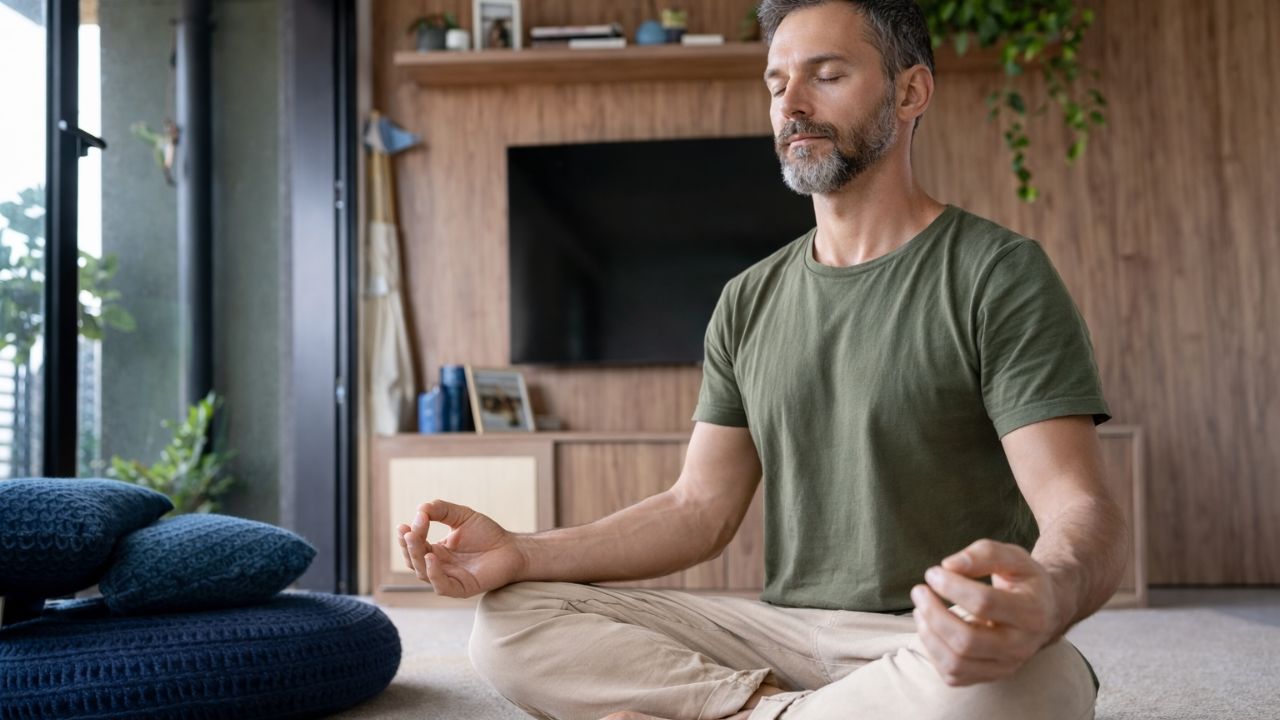
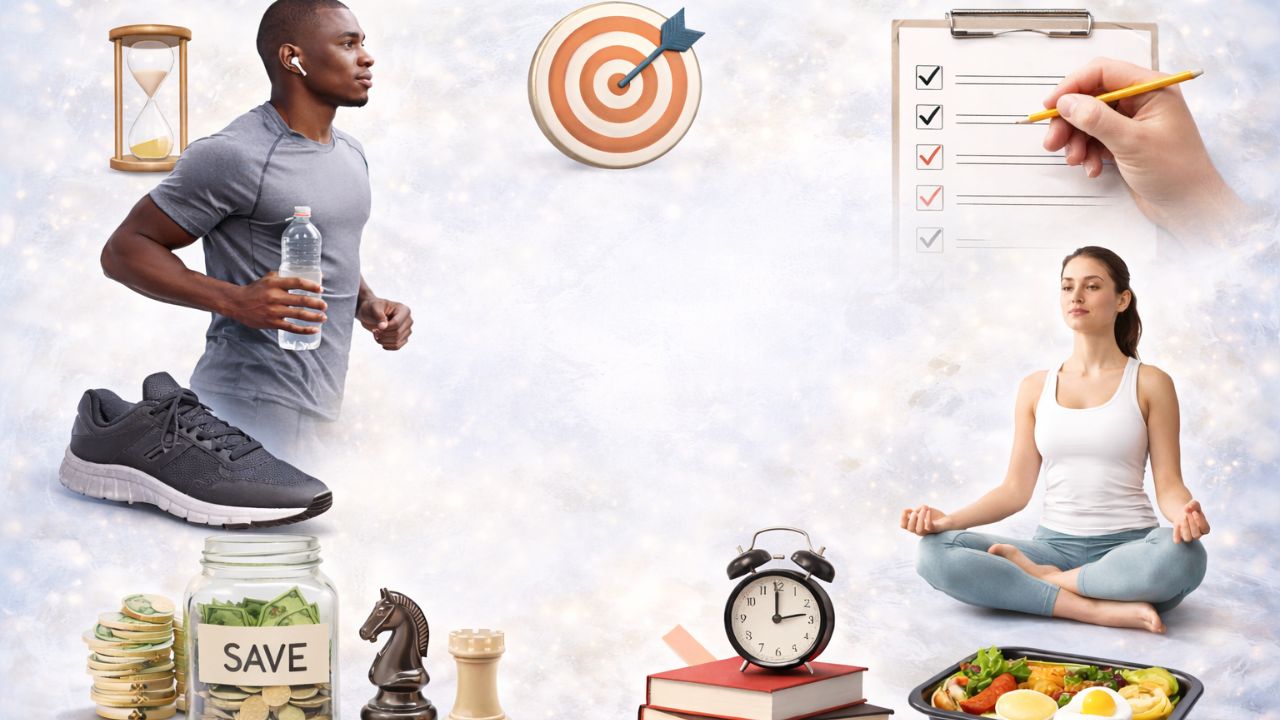
  • The Art of Self Control Psychologists Identify 8 Habits Disciplined People Practice Daily With Ease

    The Art of Self Control Psychologists Identify 8 Habits Disciplined People Practice Daily With Ease

    Have you ever noticed how two people can face the same temptation, yet react completely differently? One steps away without effort, while the other wrestles with it and eventually gives in.

    The difference isn’t hidden strength or extraordinary willpower. It comes down to habits. Small, often overlooked routines that quietly build over time, forming a level of self-control that looks impressive from the outside.

    Through years of observation and personal practice, one truth becomes clear: discipline isn’t about forcing yourself through every challenge. It’s about creating systems that make better choices feel automatic.

    Below are eight habits that consistently set disciplined people apart.

    Table of Contents

    • Waking up at the same time every day
    • Practicing small acts of refusal
    • Making tough decisions at peak energy
    • Tracking something daily
    • Becoming comfortable with boredom
    • Setting strict limits around vices
    • Protecting sleep at all costs
    • Celebrating progress in private

    They Wake Up at the Same Time Every Day

    When the alarm rings early on a weekend, most people reach for the snooze button. Disciplined individuals get up anyway.

    Rising at a consistent time builds rhythm and momentum. Waking up at random hours forces your body into constant adjustment, creating internal resistance. By removing the choice altogether, discipline eliminates daily negotiation.

    They Regularly Say No to Small Things

    Disciplined people often turn down minor comforts even when they don’t have to. Skipping dessert, choosing inconvenience, or declining small pleasures helps them train self-restraint.

    Self-control strengthens through repetition. Saying no in low-stakes moments prepares you for situations where it truly matters.

    They Make Difficult Choices When Energy Is Highest

    Late at night, poor decisions feel justified. That’s because willpower fades throughout the day.

    Disciplined people plan ahead. They prepare meals, schedule demanding tasks early, and automate financial decisions. By acting when mental energy is strongest, they reduce reliance on willpower.

    They Track One Thing Every Day

    Tracking creates awareness. While the metric itself may vary, the habit of daily measurement builds consistency.

    Writing, counting, or recording something each day reinforces accountability. The simple act of paying attention naturally shapes behavior over time.

    They Learn to Sit With Boredom

    Constant stimulation has made boredom uncomfortable. Disciplined people intentionally allow it.

    By resisting the urge to distract themselves, they build tolerance for discomfort. This creates a pause between impulse and action, where self-control actually lives.

    They Set Firm Boundaries Around Their Weaknesses

    Everyone has vices. Disciplined people don’t rely on moderation alone. Instead, they create clear, non-negotiable rules.

    Hard boundaries remove decision fatigue. When the rule is fixed, there’s no debate. This structure brings freedom by eliminating constant internal conflict.

    They Treat Sleep as Non-Negotiable

    Lack of sleep directly weakens impulse control. Disciplined people understand that good decisions begin with good rest.

    Consistent routines, fixed bedtimes, and limited nighttime distractions help protect sleep quality, making discipline easier the next day.

    They Celebrate Progress Quietly

    Disciplined people rarely seek recognition for their habits. They don’t broadcast routines or chase approval.

    By keeping achievements private, they build internal motivation. The reward becomes the habit itself, not external praise.

    Final Thoughts on Building Self-Control

    These habits aren’t meant to remove joy from life. They create a foundation that allows more freedom, not less.

    Start small. Choose one habit and make it impossible to fail. Repeat it daily until it becomes automatic. That’s how ordinary people develop extraordinary discipline.

    The disciplined individuals you admire aren’t different. They simply began earlier.
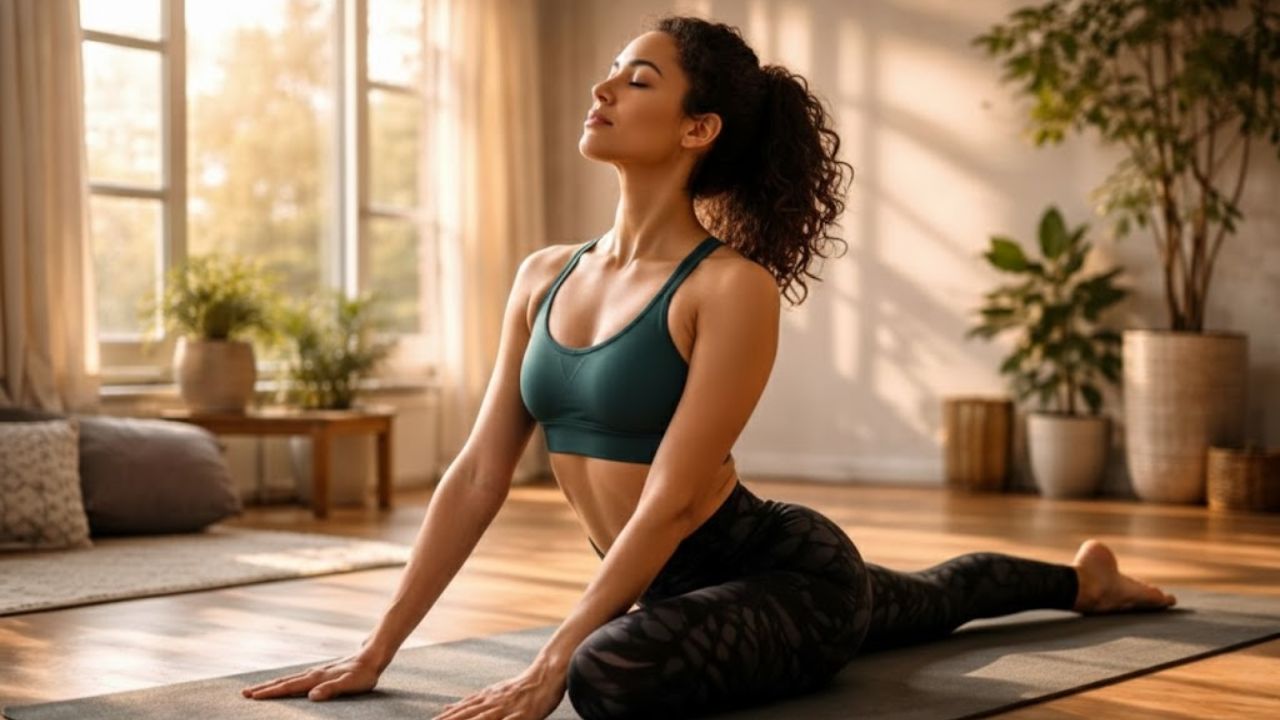
  • This Simple 5 Minute Yoga Routine Instantly Relieves Hip Stiffness and Improves Lower Body Mobility

    This Simple 5 Minute Yoga Routine Instantly Relieves Hip Stiffness and Improves Lower Body Mobility

    Hip stiffness often appears unexpectedly—after long periods of sitting, standing, or holding tension throughout the day. Many people believe that easing tight hips requires lengthy workouts or intense stretching, but that isn’t necessary. A calming 5-minute yoga routine can ease stiffness almost right away by relaxing the body and restoring natural movement. The secret lies in choosing poses that feel safe, supported, and soothing from the start.

    Why a Short Routine Delivers Quick Relief

    Hip tightness is not just physical—it is closely tied to the nervous system. When the body feels stressed or rushed, the hips often tighten as a protective response. This is why pushing into deep stretches rarely works. A short yoga sequence helps because it prioritizes relaxation first. As the nervous system settles, the hips begin to release naturally, often within minutes.

    Reclined Knee-to-Chest for Immediate Comfort

    Lie on your back and gently draw one knee, or both knees, toward your chest. This position reduces pressure in the hips and lower back while supporting healthy circulation. With the floor fully supporting your body, muscles can relax instead of bracing. Slow, steady breathing in this pose helps the hips soften quickly and prepares the body for deeper ease.

    Reclined Figure Four to Ease Outer Hip Tension

    From the same reclined position, cross one ankle over the opposite thigh, creating a relaxed figure-four shape. This gently targets the outer hips and glutes, where tension from sitting often builds up. Because the body stays grounded, there is no strain or effort. Each exhale allows stiffness to release without forcing flexibility.

    Happy Baby for Gentle, Natural Hip Movement

    Happy Baby Pose lets the hips move through their natural range in a playful and non-threatening way. Holding the feet or backs of the thighs while softly rocking encourages circulation and relaxation. This pose often feels good immediately because it blends gentle movement with support, helping the hips loosen without resistance.

    Wide-Knee Child’s Pose to Fully Settle the Body

    End the routine in a wide-knee Child’s Pose. This posture allows the hips to relax completely while the upper body rests forward. The gentle fold naturally calms the nervous system, which is essential for lasting hip release. Even spending one minute here can create a clear sense of softness and ease.

    Why Breath Makes All the Difference

    In this 5-minute routine, breathing matters more than depth. Slow, controlled breaths signal safety to the body. Each exhale reduces muscle guarding around the hips, which is why relief often feels immediate—the body is finally allowed to let go.

    The Best Times to Practice This Routine

    This routine works well after a long day, before bedtime, or whenever hips feel tight and heavy. It’s also ideal during short breaks because it requires no warm-up and no equipment. Since the movements are gentle, it can be practiced daily without causing soreness.

    What You May Feel Right Away

    Many people notice lighter hips, smoother walking, and reduced lower-back tension immediately after finishing. With consistent practice, stiffness tends to return less often, and daily movement feels more fluid and comfortable.

    Final Thoughts

    You don’t need long sessions or painful stretches to ease tight hips. This 5-minute yoga routine works quickly because it honors how the body naturally releases tension—through breath, safety, and gentle motion. Practiced regularly, it helps keep the hips soft, mobile, and comfortable with minimal effort and meaningful relief.

  • Optical Illusion Challenge: Find the Correct 74 Before the Timer Ends

    Optical Illusion Challenge: Find the Correct 74 Before the Timer Ends

    This brain teaser presents a question that seems easy but quickly becomes challenging. Your task is to locate the correct number 74 before time expires. When you first look at the image you see what appears to be an organized grid filled with similar numbers. However only one 74 is actually correct. The remaining numbers serve as deliberate distractions designed to mislead your eyes & mind. This puzzle does not test mathematical ability or general intelligence. Instead it measures how fast your brain can interpret visual information when working against a deadline. Most people start out feeling sure of themselves during the initial moments. Then they suddenly notice their eyes repeatedly skip past the answer without spotting it. This particular quality makes the illusion both captivating and worth sharing with others.

    Why the 74 illusion feels harder than it appears

    Your brain is naturally trained to recognize patterns instead of examining every small detail. When a group of numbers looks nearly identical, your mind quickly assumes they are all the same and stops checking each one carefully. In this illusion, the font style, spacing, and alignment are intentionally crafted to confuse your perception.

    The number 74 is often hidden among similar-looking combinations such as 14, 47, or slightly altered versions of 74 itself. To conserve energy, your brain scans rapidly rather than analyzing each digit. While this shortcut is useful in everyday life, it works against you in optical illusions. The added time pressure makes the challenge even tougher.

    How quickly should you spot the correct 74?

    Most versions of this challenge allow only five to eight seconds to find the correct 74. Although that may seem sufficient, the countdown feels much shorter once it begins. Research on visual attention shows that under time pressure, people rely more on instinct than careful analysis.

    Finding the correct 74 within the time limit suggests strong visual scanning ability and sharp focus. Missing it does not reflect low intelligence; it simply means your brain followed a familiar pattern instead of breaking it. Many people succeed only after multiple attempts, especially once they understand how the illusion tricks the mind.

    Simple strategies to beat this optical illusion

    Rather than scanning the image randomly, divide it into smaller sections. Focus on one row or column at a time. This slightly slower approach improves accuracy. Another effective method is to look for the second digit first. Since 74 ends with a 4, scanning for that digit can quickly narrow your search.

    Relaxing your gaze instead of staring intensely can also help unusual patterns stand out. Avoid reading the numbers silently in your head, as this can slow visual processing. Trust your eyes to do the work instead of relying on internal narration.

    What solving this challenge reveals about your brain

    Successfully identifying the correct 74 under pressure often indicates strong selective attention and fast visual discrimination. These abilities are valuable in everyday tasks such as driving, proofreading, and problem-solving. People who enjoy puzzles like this tend to train their brains to notice subtle differences.

    Even those who struggle can benefit from repeated exposure to similar challenges. Optical illusions help strengthen concentration and visual awareness over time. With practice, the brain becomes better at resisting misleading patterns and focusing on critical details.

    Why number-based optical illusions go viral online

    Number-based optical illusions are simple, universal, and instantly engaging. They require no instructions, language skills, or prior knowledge, making them accessible to everyone. The time limit adds excitement, and the final reveal often surprises people who felt confident but missed the answer.

    These challenges also encourage friendly competition. People enjoy comparing their results with friends and family and seeing who solved it fastest. This social interaction is a major reason why puzzles like “find the correct 74” continue to trend repeatedly online.

  • Pilates Instructor Confirms This 15 Minute Core Workout Builds Strength Endurance and Full Body Coordination

    Pilates Instructor Confirms This 15 Minute Core Workout Builds Strength Endurance and Full Body Coordination

    On days when my schedule is packed and I can’t make time for a full Pilates or yoga class, I turn to YouTube workouts, roll out a quality yoga mat, and stay active at home instead.

    I recently came across this Pilates-meets-strength training routine while trying to squeeze a short core session into my day. Labeled an “express core workout,” it’s designed for those moments when you need an effective session without spending long on the mat.

    “This 15-minute core workout blends strength training with Pilates to create a powerful flow that challenges strength, endurance, and coordination,” explains Izzy, the Pilates instructor behind the channel Pilates By Izzy.

    The routine uses long, flowing movement sequences to build muscular endurance and strength, making it suitable for anyone working at an intermediate level. Below is what you can expect.

    Watch: Pilates by Izzy’s 15-Minute Express Core Workout

    Izzy encourages participants to take breaks and modify movements as needed. She also advises consulting a healthcare professional before starting any new exercise program and stresses the importance of never pushing through physical pain. If discomfort arises in the neck or back, she recommends stopping and resting.

    This workout is not recommended for those who are pregnant, have a heart condition, or are dealing with an injury or existing health concern. Izzy emphasizes listening to your body and prioritizing proper form over intensity at all times.

    What the Pilates Routine Includes

    Apart from your mat, the only equipment required is a Pilates ball. The session targets the entire core, not just the abs, working the upper and lower abdominals as well as the obliques.

    Although this workout is part of day two of a 25-day challenge, it stands alone well. You don’t need to complete the first session to benefit, as each routine is freely accessible and effective on its own.

    The warm-up is short but purposeful, moving through a yoga-inspired flow that includes child’s pose, downward dog, and cat-cow. There’s also a gentle backbend similar to upward dog, with options to bend the elbows or rest on the forearms if needed.

    Once the workout begins, Izzy incorporates the Pilates ball and provides clear, precise instructions. Her cues connect breath and movement seamlessly, guiding exactly when to inhale and exhale. This approach helps activate the core muscles properly while encouraging effective use of the diaphragm.

    Movements are performed slowly and with control, building tension without rushing. This method enhances the mind-muscle connection, strengthening the communication between the brain and muscles over time.

    While the workout includes only a handful of exercises, you spend longer durations on each as movements are layered and repeated. This increases time under tension, allowing muscles to work harder within a short timeframe.

    The result is a session with high repetition that challenges endurance while reinforcing breath control and body awareness. The burn is undeniable, but at just 15 minutes long, it’s over before you know it. To get the most out of it, ensure you understand how to engage your core correctly and take time to warm up your hip flexors, as leg-focused movements are included.

  • The Fairy Bob Emerges as the Soft Reset Hair Trend Defining Style in 2026

    The Fairy Bob Emerges as the Soft Reset Hair Trend Defining Style in 2026

    The fairy bob is emerging as one of the most talked-about hair trends of 2026, offering a gentle refresh rather than a dramatic chop. Loved for its softness and adaptability, this style blends structure with whimsy, making it ideal for people craving a “soft reset” look. In India, where personal style often balances tradition with modern flair, the fairy bob fits seamlessly into everyday fashion. It works across hair textures and lifestyles, delivering a polished yet relaxed vibe that feels current, expressive, and easy to maintain.

    The Fairy Bob Haircut Redefines Soft Reset Styling

    The fairy bob stands out because it doesn’t try too hard to impress. Instead, it leans into ethereal layers that fall naturally and move with ease. Most versions sit at a chin-grazing cut, which keeps the look light while still framing the face beautifully. What really defines this trend is its airy movement, giving hair a lived-in elegance rather than a rigid finish. For many, the appeal lies in its face-framing softness, which flatters different face shapes without heavy styling. This makes the fairy bob a refreshing choice for anyone who wants change without sacrificing comfort or versatility.

    Why the Fairy Bob Trend Works for Modern Lifestyles

    Part of the fairy bob’s popularity comes from how well it fits real life. It’s a low-commitment change that doesn’t demand constant salon visits or complicated routines. Because it’s natural texture friendly, people with straight, wavy, or slightly curly hair can all make it their own. Daily upkeep stays simple, thanks to its effortless styling nature that looks good even when air-dried. Another advantage is its growth-friendly shape, which means it evolves gracefully over time. This practicality is why the fairy bob is resonating so strongly in 2026.

    How the Fairy Bob Adapts to Personal Style

    The beauty of the fairy bob is how customizable it feels. Some opt for a micro-fringe option to add personality, while others prefer open foreheads for a cleaner look. Stylists often focus on rounded ends to maintain softness and avoid harsh lines. The cut can be adjusted through customized length, making it suitable for both conservative and playful tastes. A touch of subtle volume at the crown completes the look, ensuring it feels intentional without being overdone. This flexibility allows the fairy bob to reflect individual identity effortlessly.

    Why the Fairy Bob Is Likely to Last Beyond 2026

    Unlike short-lived fads, the fairy bob shows strong signs of staying power. Its trend longevity comes from balancing style with wearability, something many haircuts fail to achieve. The look captures a sense of modern femininity without leaning into extremes, making it widely appealing. Because it encourages personal expression, people can adapt it as their tastes evolve. There’s also a hint of wearable fantasy in the name and shape, which keeps it inspiring yet practical. Together, these elements position the fairy bob as more than just a passing moment.

    Feature Fairy Bob Characteristics Style Benefit
    Length Chin to jaw level Easy daily maintenance
    Layers Light and blended Natural movement
    Styling Air-dry friendly Time-saving routine
    Customization Fringe or no fringe Personalized look
    Growth Phase Soft grow-out shape Longer wear period

    Frequently Asked Questions (FAQs)

    1. What exactly is a fairy bob haircut?

    It’s a soft, layered bob designed to look light, natural, and effortlessly styled.

    2. Is the fairy bob suitable for Indian hair textures?

    Yes, it works well with straight, wavy, and lightly curly hair types.

    3. Does the fairy bob require frequent salon visits?

    No, its shape grows out gracefully, reducing the need for constant trims.

    4. Can the fairy bob be styled for formal occasion

  • Spot the Difference Challenge: Find 3 Subtle Differences to Test Observation Skills

    Spot the Difference Challenge: Find 3 Subtle Differences to Test Observation Skills

    Spot the Difference puzzles offer an enjoyable method to exercise your brain and enhance your ability to notice visual details. The concept is straightforward: you look at two images that seem almost the same but contain small hidden differences you must identify within a time limit. These puzzles evaluate how well you notice details and how quickly you can process information while staying focused. The Spot the Difference puzzle we are looking at today presents an extra challenge because only 1% of people with exceptional visual skills can find all three differences in the allotted time. Can you successfully complete this challenge? Let us discover the answer together.

    The Challenge: Spot the Three Differences

    In this engaging “Spot the Difference” challenge, you are presented with two nearly identical images featuring adorable puppies. At first look, both pictures seem exactly the same, but a closer inspection reveals otherwise. Your mission is to identify three subtle differences hidden within the images. These variations may involve minor changes in shapes, colors, or the placement of small elements, making them easy to miss if you’re not fully focused.

    Time plays an important role in this challenge. It’s not only about how fast you look, but how carefully you observe. As the seconds pass, your attention to detail and visual awareness are tested, pushing your mind to stay alert while scanning for the smallest inconsistencies.

    Why “Spot the Difference” Puzzles Are So Effective

    “Spot the Difference” puzzles are not just entertaining—they also provide valuable mental benefits. One of the biggest advantages is improved attention to detail. Because the differences are often extremely subtle, your brain learns to notice fine details more effectively, a skill that can be useful in everyday tasks, studies, and professional work.

    These puzzles also enhance cognitive processing by training your brain to analyze visual information quickly. The need to compare two images side by side strengthens mental agility, helping you think faster and more clearly. In addition, the time pressure involved boosts focus and concentration, encouraging you to stay mentally engaged without distractions.

    Another key benefit is pattern recognition. Your brain becomes better at identifying visual changes and irregularities, a skill that translates well into real-life situations such as error detection, trend analysis, and quick decision-making.

    The Solution: Revealing the Three Differences

    If you found all three differences, well done—but don’t worry if you missed one or two. This puzzle was intentionally designed to challenge even the sharpest observers. Let’s break down the three hidden differences that separate the two puppy images.

    The first difference appears in the clouds near the top of the image. In the right-hand picture, the cloud on the right side has a slightly different shape compared to the left image. This minor alteration is easy to overlook unless you examine the sky carefully.

    The second difference involves the puppy’s tail. In the left image, the tail has a gentle curve, while in the right image, the tail’s shape has been modified. This small change can be missed if your attention is focused mainly on the puppy’s face.

    The final difference is found in the flowers. One flower on the right side has a dark brown center in the right image, whereas the same flower has a yellow center in the left image. The color change is subtle but becomes obvious once identified.

    The Benefits of Optical Illusions for Mental Agility

    Challenges like this “Spot the Difference” puzzle are excellent exercises for the brain. Regularly engaging in visual puzzles helps improve problem-solving skills by training your mind to approach challenges from multiple perspectives. This mental flexibility can be valuable in daily decision-making.

    These puzzles also increase visual processing speed. As your brain adapts to quickly scanning and comparing images, it becomes more efficient at handling visual information under time pressure. Over time, this leads to better performance in tasks that require quick thinking.

    Additionally, optical illusions help strengthen attention span and memory. By repeatedly identifying patterns, shapes, and colors, your brain becomes better at retaining visual information and staying focused for longer periods.

    Final Thoughts: Can You Join the 1%?

    If you managed to spot all three differences, congratulations—you’ve demonstrated strong observation skills and impressive focus. If not, there’s no need to feel discouraged. These puzzles are meant to be challenging, and improvement comes with practice.

    “Spot the Difference” challenges are a fun and effective way to sharpen your mind, improve concentration, and boost cognitive performance. Whether you’re aiming to enhance your mental agility or simply enjoy a quick brain workout, puzzles like this are a great addition to your daily routine.

  • 7 Beginner Friendly Yoga Poses to Start Practicing Comfortably at Home

    7 Beginner Friendly Yoga Poses to Start Practicing Comfortably at Home

    Yoga is a wonderful way to build flexibility, strength, and mindfulness, yet starting can sometimes feel overwhelming. The good news is that you don’t need advanced skills or special equipment to begin practicing at home. By focusing on the right poses, you can ease into yoga comfortably while enjoying its full range of benefits. Below are seven beginner-friendly yoga poses you can practice at home to create a strong foundation, gently improve mobility, and bring a sense of calm and focus to your daily routine.

    1. Mountain Pose (Tadasana)

    Why This Pose Works Well for Beginners

    Mountain Pose is a fundamental standing posture that teaches proper body alignment and breath awareness. It encourages mindfulness and prepares your body for more challenging poses.

    How to Practice

    Stand upright with your feet together, legs firm, and toes gently spread.

    Engage your thighs, lift your chest, and soften your shoulders.

    Rest your arms by your sides with palms facing forward.

    Ground through your feet, stand tall, and breathe deeply.

    Key Benefits

    Supports better posture.

    Builds strength in the legs and core.

    Enhances balance and alignment.

    2. Downward-Facing Dog (Adho Mukha Svanasana)

    Why This Pose Works Well for Beginners

    This classic pose offers a full-body stretch while also building upper-body strength. It is a core part of many yoga practices and helps develop flexibility.

    How to Practice

    Begin on all fours, placing wrists under shoulders and knees under hips.

    Tuck your toes and lift your hips upward, straightening your legs as comfortably as possible.

    Press your hands firmly into the mat with arms extended.

    Breathe steadily as you lengthen your spine and gently reach your heels down.

    Key Benefits

    Stretches the hamstrings, calves, and back.

    Strengthens the arms, shoulders, and core.

    Improves posture and alignment.

    3. Child’s Pose (Balasana)

    Why This Pose Works Well for Beginners

    Child’s Pose is a deeply restorative posture that allows the body to relax and release built-up tension. It is ideal for resting during your practice.

    How to Practice

    Kneel on the mat with big toes touching and knees comfortably apart.

    Sit back onto your heels and stretch your arms forward.

    Lower your forehead toward the floor and relax your body.

    Hold for several slow breaths, letting your back soften.

    Key Benefits

    Eases tension in the back, neck, and shoulders.

    Encourages mental calm and relaxation.

    Gently stretches the spine, hips, and thighs.

    4. Cat–Cow Pose (Marjaryasana–Bitilasana)

    Why This Pose Works Well for Beginners

    This flowing movement between two poses improves spinal flexibility and helps release stiffness in the back and neck.

    How to Practice

    Come onto all fours with wrists under shoulders and knees under hips.

    Inhale, drop your belly, and lift your head and tailbone.

    Exhale, round your spine, tuck your chin, and draw the belly inward.

    Continue moving gently with your breath.

    Key Benefits

    Increases spinal mobility.

    Reduces back and neck tension.

    Improves coordination and posture.

    5. Seated Forward Fold (Paschimottanasana)

    Why This Pose Works Well for Beginners

    This calming pose provides a deep stretch for the back and legs while encouraging mindful breathing and relaxation.

    How to Practice

    Sit on the floor with legs extended straight ahead.

    Inhale and lengthen your spine, sitting tall.

    Exhale and hinge forward from the hips, reaching toward your feet or shins.

    Relax your neck while keeping your spine long.

    Key Benefits

    Stretches the hamstrings, calves, and back.

    Helps reduce stress and calm the mind.

    Improves flexibility in the spine and legs.

    6. Warrior I (Virabhadrasana I)

    Why This Pose Works Well for Beginners

    Warrior I builds strength and stability while opening the chest and hips. It is a key pose in many yoga sequences.

    How to Practice

    Stand with feet about three to four feet apart.

    Turn one foot outward and bend the front knee over the ankle.

    Lift your arms overhead while keeping shoulders relaxed.

    Hold for several breaths before switching sides.

    Key Benefits

    Strengthens the legs, arms, and core.

    Opens the hips and chest.

    Enhances focus and balance.

    7. Bridge Pose (Setu Bandhasana)

    Why This Pose Works Well for Beginners

    Bridge Pose is a gentle backbend that strengthens the lower body while improving posture and flexibility.

    How to Practice

    Lie on your back with knees bent and feet hip-width apart.

    Press your feet into the floor and lift your hips upward.

    Engage your glutes and core as your chest rises slightly.

    Hold briefly, then lower down with control.

    Key Benefits

    Strengthens the glutes, legs, and back.

    Opens the chest and shoulders.

    Releases tension in the back and hips.

  • Build Lasting Endurance With These 7 Yoga Poses That Increase Strength and Stamina

    Build Lasting Endurance With These 7 Yoga Poses That Increase Strength and Stamina

    Endurance refers to the ability to maintain physical activity over an extended period, playing a key role in sustaining energy, stamina, and overall fitness. Although endurance training is often linked to cardiovascular workouts, yoga is also highly effective in developing both mental and physical endurance. By combining breath control, concentration, and prolonged pose holds, yoga strengthens stamina while enhancing flexibility and muscular strength. Below are seven yoga poses that support endurance, stamina, and strength.

    1. Warrior I Pose (Virabhadrasana I)

    Warrior I is a strong foundational pose that builds stamina and strength in the legs, hips, and core. It also opens the chest and shoulders while sharpening focus. Begin by stepping your feet wide apart, bending the front knee to 90 degrees while keeping the back leg straight. Raise your arms overhead with palms facing inward. Hold for 30 seconds to one minute, then repeat on the opposite side.

    This pose targets the thighs, calves, and glutes, while also improving balance and endurance. Holding the pose for longer durations trains the body and mind to manage discomfort, supporting both physical and mental resilience.

    2. Plank Pose (Phalakasana)

    Plank Pose is highly effective for building core strength and endurance. Start in a push-up position with wrists aligned under the shoulders and the body forming a straight line from head to heels. Engage the core and maintain steady breathing. Hold the pose for 30 seconds to two minutes.

    This posture strengthens the core, arms, and shoulders, improving endurance in stabilizing muscles. Sustaining the pose also enhances mental stamina by encouraging focus and discipline.

    3. Chair Pose (Utkatasana)

    Chair Pose is a demanding standing posture that develops endurance in the quadriceps, hamstrings, and glutes. Stand with feet hip-width apart and bend the knees as if lowering into a chair. Extend the arms overhead with palms facing each other. Hold for 30 seconds to one minute while breathing evenly.

    This pose strengthens the lower body while supporting balance and hip flexibility. Increasing hold time gradually enhances stamina and muscular endurance.

    4. Downward-Facing Dog (Adho Mukha Svanasana)

    Downward Dog is a widely practiced pose that stretches the spine, shoulders, and legs while building endurance in the arms and core. Begin on hands and knees, tuck the toes, lift the hips upward, and straighten the legs with feet hip-width apart. Hold for 30 seconds to one minute, then rest.

    This pose strengthens the arms, shoulders, and legs while improving overall flexibility. Holding the posture challenges alignment and muscular engagement, supporting endurance development.

    5. High Lunge Pose

    High Lunge strengthens the legs and core while improving stability. From standing, step one foot back and bend the front knee to 90 degrees. Lift the arms overhead and engage the core. Hold for 30 seconds to one minute, then switch sides.

    This pose targets the thighs, calves, and glutes, supporting lower body endurance. Sustained holds promote both physical strength and mental focus.

    6. Boat Pose (Navasana)

    Boat Pose is a challenging core posture that requires sustained endurance. Sit with knees bent and feet on the mat, then lean back slightly and lift the feet off the floor. Balance on the sit bones, straighten the legs if possible, and extend the arms forward. Hold for 30 seconds to one minute while keeping the core engaged.

    This pose strengthens the abdominal muscles, hip flexors, and lower back. Maintaining the position builds core endurance and overall stability.

    7. Bridge Pose (Setu Bandhasana)

    Bridge Pose helps develop endurance in the lower back, glutes, and core. Lie on your back with knees bent and feet flat on the floor. Press the feet into the mat and lift the hips upward, engaging the glutes and core. Hold for 30 seconds to one minute.

    This posture strengthens key muscle groups while stretching the chest and spine. Holding the pose encourages both physical strength and mental steadiness.

    Helpful Tips for Building Endurance Through Yoga

    • Practice Consistently: Regular practice is essential. Include endurance-focused poses at least three to four times per week.
    • Control Your Breath: Steady, deep breathing supports energy levels and helps manage fatigue during challenging poses.
    • Increase Hold Times Slowly: Begin with shorter holds and gradually extend them as endurance improves.
    • Strengthen Mind-Body Awareness: Endurance in yoga relies on mental focus as much as physical strength.

    Closing Perspective

    Yoga provides a balanced method for improving endurance, strength, and flexibility while encouraging mental focus. Practicing these seven poses regularly supports the gradual development of both physical and mental stamina. With mindful breathing and consistent effort, endurance can improve steadily, benefiting daily activities as well as long-term fitness.

  • Strengthen Your Core With 7 Yoga Poses That Enhance Balance and Stability

    Strengthen Your Core With 7 Yoga Poses That Enhance Balance and Stability

    Core strength forms the base of balance, posture, and daily movement. A stable core supports the spine, enhances physical performance, and lowers the risk of injury. While core workouts are often associated with crunches and sit-ups, yoga provides a more complete approach by engaging deep muscles such as the transverse abdominis, pelvic floor, and obliques. The following seven yoga poses can be practiced regularly to develop a strong, stable, and resilient core.

    1. Boat Pose for Deep Core Engagement

    Boat Pose activates the entire core, with special focus on deep stabilizing muscles. Begin seated with knees bent and feet on the mat. Gently lean back, lift your feet, and keep your spine long with the chest open. Extend the arms forward at shoulder height and straighten the legs if possible. Hold the posture for 30 to 60 seconds while breathing steadily.

    This pose improves balance, coordination, and core endurance while activating the lower abdomen and hip flexors. Beginners may support themselves by holding the backs of the thighs and gradually work toward longer holds.

    2. Plank Pose to Develop Stability and Endurance

    Plank Pose is a fundamental yoga posture for building core strength. Start in a high plank with hands beneath the shoulders and feet placed hip-width apart. Draw the belly inward, press firmly through the palms, and keep the body aligned from head to heels. Hold for 30 seconds to two minutes, maintaining smooth breathing.

    This pose strengthens the abdominals, obliques, arms, shoulders, and back. If alignment is lost, pause and reset. Added variations such as lifting one leg or transitioning into side plank can increase intensity.

    3. Dolphin Pose for Core and Shoulder Strength

    Dolphin Pose is a forearm-based posture that increases core activation. Begin on hands and knees, lower the forearms to the mat, and align them shoulder-width apart. Lift the hips upward while pressing the forearms down firmly. Draw the belly in and lengthen through the spine. Hold for 30 to 60 seconds.

    This pose builds abdominal strength, shoulder stability, and upper-back endurance, while also stretching the hamstrings and calves. To reduce intensity, step the feet closer to the arms.

    4. Forearm Side Plank for Oblique Strength

    The Forearm Side Plank targets the side body, especially the obliques. From a forearm plank, shift weight onto the left forearm and stack the feet. Extend the right arm upward and keep the hips lifted with the core engaged. Hold for 20 to 45 seconds, then repeat on the opposite side.

    This posture enhances lateral stability and balance. For additional support, place the top foot slightly in front of the bottom foot instead of stacking.

    5. Bridge Pose to Activate Lower Core Muscles

    Bridge Pose supports core stability by engaging the lower abdominals and glutes. Lie on your back with knees bent and feet flat, positioned hip-width apart. Press into the feet and lift the hips upward. Keep the arms alongside the body or clasp the hands beneath. Hold for about 30 seconds with gentle abdominal engagement.

    This pose strengthens the back body, pelvic region, and deep core muscles while opening the hips and chest. To increase challenge, lift one leg while keeping the hips elevated.

    6. Warrior III for Core Control and Balance

    Warrior III is a balancing posture that demands steady core activation. Stand tall, shift weight onto one leg, and hinge forward at the hips while lifting the opposite leg behind you. Extend the arms forward and align the body in a straight line from fingertips to toes. Hold for 20 to 40 seconds before switching sides.

    This pose strengthens the core, legs, shoulders, and back, while improving balance and coordination. Support from a wall or chair can help maintain stability.

    7. Twisting Boat Pose for Oblique Activation

    Once comfortable with the basic Boat Pose, adding twists increases engagement of the obliques. From Boat Pose, place the hands behind the head and gently rotate the torso from side to side. Keep the spine upright and movements controlled. Perform 5 to 10 twists per side.

    This variation builds rotational strength and targets the muscles along the waist, supporting everyday movement and athletic activities.

    Recommended Practice Frequency

    Consistency is more important than duration. Practicing these poses three to five times per week supports steady strength development. Beginners should start with shorter holds and gradually increase duration. Warming up with gentle movements such as Cat-Cow and light hip openers helps prepare the body and protect the lower back.

    Nutrition and Rest to Support Core Strength

    Core strength improves more effectively when paired with balanced nutrition and adequate rest. Eating meals that include lean protein, vegetables, fruits, whole grains, and healthy fats supports muscle recovery. Proper hydration and seven to nine hours of sleep each night are also essential for muscle repair and overall performance.

    Safety Guidelines for Injury Prevention

    Yoga-based core training is generally safe, but individuals with lower back pain or spinal conditions should proceed carefully. Sharp or persistent pain is a signal to stop and seek professional guidance. Keep movements slow and controlled, use supportive props when needed, and practice on a cushioned mat.

    Developing Core Strength Through Yoga Practice

    A strong core supports better posture, safer movement, and improved balance throughout daily life. Practicing these seven yoga poses regularly builds a stable foundation that benefits the entire body. Begin at a comfortable level and progress gradually. With consistent practice and mindful technique, core strength, posture, and movement confidence naturally improve both on and off the mat.

  • Improve Shoulder Mobility With 6 Yoga Poses That Ease Tightness and Restore Movement

    Improve Shoulder Mobility With 6 Yoga Poses That Ease Tightness and Restore Movement

    Shoulder flexibility plays a vital role in supporting proper posture, enhancing daily movement, and reducing the risk of injuries. Yoga includes a range of poses designed to stretch and strengthen the shoulder muscles, helping the joints move more freely. Whether you are physically active, work long hours at a desk, or simply want smoother movement, practicing yoga for shoulder flexibility can offer noticeable results. Below are six effective yoga poses that focus on improving shoulder range of motion.

    1. Downward-Facing Dog (Adho Mukha Svanasana)

    Downward-Facing Dog is a foundational yoga pose that helps open and stretch the shoulders while lengthening the spine and legs. Begin in a tabletop position with your hands and knees on the mat. Curl your toes under and lift your hips upward, creating an inverted V shape. Press your palms firmly into the floor and allow your chest to move gently toward your thighs. Keep your head relaxed between your arms, with your ears aligned with your upper arms. Hold the pose for 30 seconds to 1 minute, breathing steadily.

    This posture improves both strength and flexibility in the shoulders, arms, chest, and back. To enhance the shoulder stretch, press deeper into your hands and gently rotate your shoulders outward.

    2. Thread the Needle Stretch (Urdhva Mukha Pasasana)

    Thread the Needle is a calming pose that promotes shoulder opening and increases mobility in the upper back. Start on all fours, aligning your hands under your shoulders and knees beneath your hips. Slide your right arm across the mat beneath your left arm, lowering your right shoulder and ear toward the floor. Extend your left arm forward or use it for support. Hold for 30 seconds, then switch sides.

    This pose focuses on releasing tension in the shoulders, arms, and upper back. It is especially helpful for individuals who experience stiffness from prolonged sitting or stress.

    3. Eagle Arm Stretch (Garudasana Arms)

    Eagle Arms is a simple yet powerful pose that improves shoulder flexibility. You can practice it while seated or standing tall. Extend both arms forward at shoulder height. Cross your right arm over your left, then bend the elbows so your forearms lift upright. Bring your palms together if possible, or press the backs of your hands together. Hold for 20 to 30 seconds before switching sides.

    This stretch targets the upper back, shoulders, and arms, helping reduce joint stiffness. For a deeper stretch, gently draw your elbows downward while lifting your forearms upward.

    4. Cow Face Pose Arms (Gomukhasana)

    Cow Face Pose provides a deep stretch for the shoulders, arms, and upper back. Sit comfortably with your legs crossed. Raise your left arm overhead, bend the elbow, and let your hand reach down your back. Extend your right arm behind you and attempt to clasp both hands together. If your hands do not meet, use a strap for support. Hold for 30 seconds to 1 minute, then change sides.

    This pose encourages greater shoulder mobility and chest opening. It is particularly beneficial for those with tight shoulders caused by poor posture or upper-back tension.

    5. Reverse Prayer Stretch (Paschim Namaskarasana)

    Reverse Prayer Pose deeply opens the shoulders and chest while stretching the arms and wrists. Begin standing upright or sitting comfortably. Bring your hands behind your back and press your palms together in a prayer position, fingers pointing downward. Lift your chest gently and draw your shoulder blades down. Keep your elbows angled outward as your shoulders open.

    This pose supports better posture and increased shoulder flexibility by stretching the front of the shoulders and chest. It is especially useful for people who sit for long periods.

    6. Puppy Pose (Uttana Shishosana)

    Puppy Pose offers a gentler way to achieve a deep shoulder stretch without putting pressure on the lower body. Start in a tabletop position, then slowly walk your hands forward as you lower your chest toward the floor. Keep your hips stacked above your knees and rest your forehead or chin on the mat. Focus on lengthening your spine while allowing your shoulders to open.

    This pose effectively stretches the shoulders and upper back while encouraging relaxation. It is ideal for improving flexibility gradually and comfortably.

    Benefits of Practicing Yoga for Shoulder Flexibility

    Developing shoulder flexibility through yoga provides several advantages:

    • Improved posture by reducing tension in the neck and upper back
    • Lower injury risk through better joint range of motion
    • Reduced muscle tightness in the shoulders and upper body
    • Enhanced physical performance in daily activities and exercise

    Recommended Frequency for Shoulder Flexibility Practice

    To experience noticeable improvements, aim to practice these shoulder-focused poses three to four times per week. Beginners can start with shorter holds of 20 to 30 seconds and gradually increase duration as flexibility improves. Regular and consistent practice is essential for long-term shoulder mobility.

    Closing Thoughts on Shoulder Flexibility Through Yoga

    Yoga provides a balanced and effective method for improving shoulder flexibility while supporting overall physical well-being. By adding these six poses to your routine, you can promote better shoulder movement, strength, and comfort. Whether your goal is easing tension, improving posture, or increasing mobility, yoga offers a reliable approach to achieving lasting results.